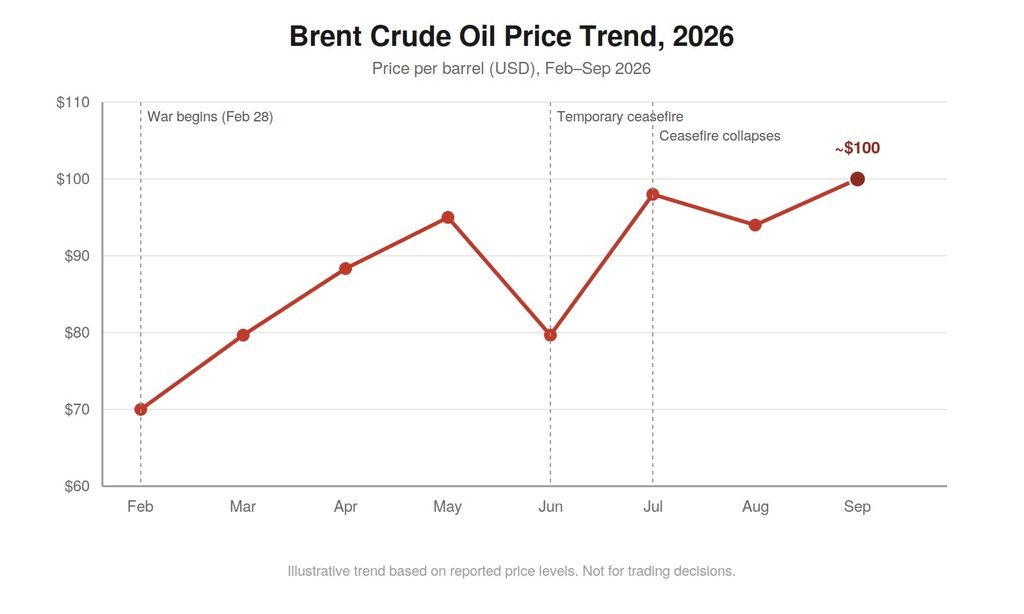
Global oil markets crossed a threshold this week that traders had been watching nervously for months: Brent crude, the benchmark used to price oil worldwide, briefly pushed past $100 a barrel — its highest level since late July — before easing slightly to just under $100. The spike follows a fresh round of military exchanges between the United States and Iran, layered on top of an already volatile standoff between Yemen’s Houthi movement and Saudi Arabia.
What Triggered the Latest Spike
The immediate catalyst was a set of US strikes on five vessels linked to Iran, four of them in the Gulf of Oman and reportedly tied to Iran’s Revolutionary Guard Corps, along with a fifth near Kharg Island — the terminal that handles the vast majority of Iran’s crude exports. Washington described the targeted ships as part of a shadow fleet used to finance Iranian military operations and its regional allies.
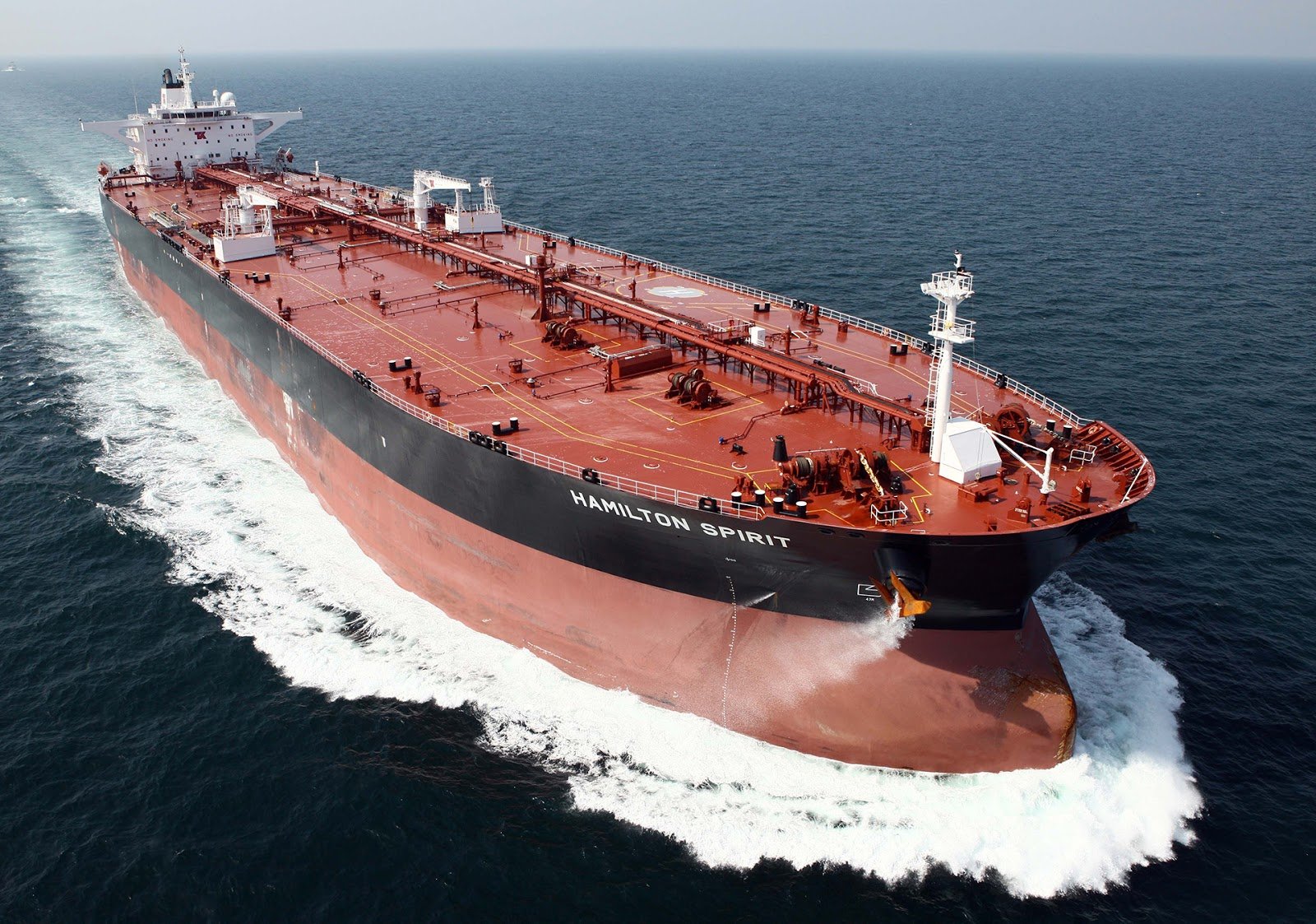
Iran responded in kind, launching missiles toward a US base in Jordan (most of which were reportedly intercepted) and claiming retaliatory strikes on American vessels and several oil tankers moving through the Strait of Hormuz — the narrow waterway that carries roughly a fifth of the world’s oil and liquefied natural gas.
The exchange came just after Iran’s navy said it had captured an uncrewed US underwater drone in the strait. US officials downplayed the incident, characterizing the drone as an older unit that had malfunctioned and carried no sensitive equipment.
A Second Front: Houthis and Saudi Arabia
Compounding the pressure on energy markets, Yemen’s Houthi movement — which is backed by Iran — has resumed strikes on Saudi energy infrastructure after an informal truce broke down. A drone and missile attack on Saudi facilities reportedly injured dozens of people and sparked fires that temporarily halted operations at oil sites. Saudi forces have struck back at Houthi-controlled areas in response.
Why It Matters for Prices at the Pump
Before this conflict escalated, Brent crude was trading around $70 a barrel. The jump toward $100 reflects growing concern that continued fighting could disrupt the flow of oil through the Strait of Hormuz — a chokepoint that is difficult, if not impossible, to route around. Even without a full closure, the threat of disruption tends to push prices higher as buyers rush to secure supply and insurers price in greater risk for tankers moving through the region.
For drivers and businesses, that translates into higher costs at the pump and increased pressure on transport, manufacturing and shipping industries that depend on fuel.
What to Watch Next
Markets will be watching closely for:
- Whether the US and Iran continue trading strikes or attempt to de-escalate
- Any further Houthi attacks on Saudi energy infrastructure
- Signs that shipping traffic through the Strait of Hormuz is slowing or being rerouted
- Statements from OPEC or major producers about stepping up output to offset the price shock
Given how quickly the situation has moved over the past week, another leg higher in oil prices remains a real possibility if tensions flare again.
This article is a summary of ongoing developments and does not constitute financial advice. Oil markets remain highly volatile, and prices can shift rapidly based on geopolitical developments.